7 hours ago
San Antonio LGBTQ+ District Rallies After State Blocks Rainbow Crosswalks
READ TIME: 7 MIN.
San Antonio’s first LGBTQ+ cultural heritage district is facing a high‑stakes test of its visibility and purpose after the State of Texas blocked a plan to install rainbow crosswalks in the heart of the neighborhood. The decision has sparked frustration among residents and advocates, as well as a renewed commitment from local officials to ensure that lesbian, gay, bisexual, transgender, queer, and questioning people remain proudly represented in the public landscape.
At a recent meeting of the District 1 community board, Councilmember Sukh Kaur addressed the state’s directive and signaled that the city would pivot toward new strategies to celebrate LGBTQ+ identity in the district. “I understand the item is not on agenda today, but I know many of you must have heard the unfortunate news that we got from the state about having to take action on the crosswalk,” Kaur told attendees, acknowledging the disappointment that followed the state’s refusal to grant a needed exemption.
San Antonio’s LGBTQ+ cultural heritage district was established to recognize the historic and ongoing contributions of LGBTQ+ residents, businesses, and community spaces in the city’s urban core. According to local coverage, the designation is considered the first cultural heritage district in Texas specifically centered on LGBTQ+ history and community life, making it a symbolic milestone in a state where LGBTQ+ policies and visibility have been the subject of intense public debate.
The district’s creation aligns with broader national trends in which cities establish LGBTQ+ cultural or historic zones to preserve community institutions and signal inclusion in the built environment. The LGBTQ Victory Institute’s “Out for America 2025” report notes that LGBTQ+ mayors and local leaders in cities such as San Diego and Providence have championed similar efforts to protect queer neighborhoods and advance inclusive policies at the municipal level. In San Antonio, Mayor Gina Ortiz Jones, who is listed among influential LGBTQ+ city leaders in the Victory Institute’s 2025 Political Power List, has been identified in local commentary as a key figure in the broader conversation about LGBTQ+ representation, though community speakers at the District 1 meeting expressed frustration about communication from the mayor’s office regarding the crosswalk project.
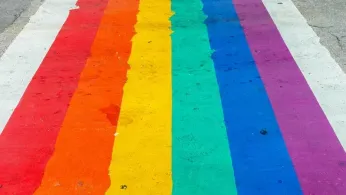
The proposed rainbow crosswalks were intended as a highly visible centerpiece of the district, reflecting the colors of the Pride flag and, in some designs under discussion, incorporating the light blue, pink, and white colors of the transgender flag. Supporters viewed the project as both a celebration and an act of affirmation for LGBTQ+ and transgender people who live, work, or gather in the area, building on a tradition seen in other U.S. cities where rainbow crosswalks and murals have become recognizable markers of queer cultural life.
However, city officials reported they were informed by the State of Texas that San Antonio could not maintain the rainbow crosswalks under state transportation rules and would need to “take action” in response, effectively blocking the exemption the city had sought. KSAT‑TV’s reporting does not detail the exact statutory provisions invoked by the state, but it notes that the directive has been interpreted locally as a requirement to remove or refrain from installing crosswalks painted in Pride colors.
The conflict fits into a broader pattern of tension between state governments and municipalities over policies affecting LGBTQ+ residents, including rules related to public symbols, nondiscrimination protections, and gender‑affirming health care. In a recent analysis, the American Civil Liberties Union described an “all‑of‑government” strategy in some political circles that includes restricting visible support for transgender people, whether through limits on school policies, public displays, or health‑care access. While the San Antonio crosswalk dispute concerns local infrastructure rather than direct service access, community speakers at the meeting suggested it should be read in the context of these statewide and national pressures.
Public comment at the District 1 meeting reflected deep frustration among community members who had invested time and energy in the crosswalk effort. One speaker said advocates had sought meetings with Gina Ortiz Jones in anticipation that she would become mayor, focusing on how the crosswalks would support the new cultural heritage district, but reported that outreach after the election went unanswered. “Since the election, we reached out to her and her staff to schedule such a meeting, and we’ve been met with nothing. Silence,” the speaker told the board, according to KSAT‑TV’s coverage.
Another community member voiced concern that attacks on symbolic expressions like rainbow crosswalks may be part of a larger strategy to constrain LGBTQ+ rights. “They come for the crosswalks and then they have precedent to start coming after everything else,” the speaker said, framing the dispute as part of a familiar pattern in which minor restrictions can open the door to more sweeping rollbacks. Advocates have used similar language in national conversations about book bans, curriculum limits, and restrictions on Pride flags in schools, arguing that each fight over symbols carries implications for whether LGBTQ+ people feel safe and affirmed in public life.
For local residents, the immediate concern is the sense that a hard‑won cultural recognition may be undermined if the district cannot maintain visible markers of its LGBTQ+ identity. While the city’s designation of the Pride Cultural Heritage District remains in place and “cannot be removed,” as Councilmember Kaur put it, some speakers emphasized that without tangible, everyday reminders—such as crosswalks, banners, or murals—the district risks becoming a largely symbolic label rather than a living, protective environment for LGBTQ+ people.
In her remarks, Kaur underscored that city staff are working on alternative plans to maintain LGBTQ+ and transgender visibility despite the state’s decision on the crosswalks. She referred to a city proposal to paint sidewalks in the district with Pride and transgender flag colors, describing this as one of several steps the city can take to keep the district’s identity prominent. “What we want the community to know is we want to do even more,” Kaur said. “So, this is our first step to make sure that there is still the flag represented on the streets of San Antonio and the first‑ever cultural heritage district that represents the LGBTQ+ community in the state, which will stay in effect.”
Sidewalk painting may offer the city more flexibility than crosswalks, which are typically governed by state and federal transportation standards. By shifting to adjacent sidewalks and potentially other city‑owned surfaces such as plazas or building facades, San Antonio could maintain compliance with roadway regulations while still making Pride and transgender flags visible to pedestrians, residents, and visitors.
Kaur also emphasized that the heritage district’s legal recognition remains secure and that the city views the rainbow crosswalk setback as a starting point for deeper engagement with LGBTQ+ residents, not as an endpoint. “We want to do more,” she reiterated, inviting community input on additional initiatives that could strengthen the district, from potential cultural programming to collaborations with LGBTQ+ organizations and businesses.
The dispute over crosswalks in San Antonio is unfolding against a backdrop of heightened concern about the wellbeing and safety of LGBTQ+ people, particularly youth, in the United States. In October 2025, The Trevor Project, a national suicide prevention and crisis intervention organization for LGBTQ+ young people , released new research indicating that mental health challenges among LGBTQ+ youth have worsened in recent years, with many reporting symptoms of depression, anxiety, and suicidal thoughts. The organization has emphasized that affirming environments—where LGBTQ+ and transgender people see their identities reflected and respected—are linked to better mental health outcomes and lower suicide risk.
While the San Antonio conflict is centered on street design, the stakes are deeply human for residents who associate visible Pride symbols with a sense of belonging. For transgender people and other members of the LGBTQ+ community, inclusive public art and infrastructure can signal that they are not only tolerated but valued participants in civic life. In this sense, the crosswalk and sidewalk debates intersect with broader research and advocacy efforts that highlight the role of supportive environments in reducing harm and promoting resilience among LGBTQ+ populations.
At the same time, the situation illustrates the importance—and limits—of local LGBTQ+ political power. The LGBTQ Victory Institute’s 2025 report notes that at least 1,334 openly LGBTQ+ officials now serve across the United States, including city leaders such as San Diego Mayor Todd Gloria and San Antonio Mayor Gina Ortiz Jones, who are often at the forefront of efforts to advance equality at the municipal level. Yet, as the San Antonio case shows, even LGBTQ+ supportive city governments can face legal or political constraints imposed by state authorities, leading to complex negotiations over how far local leaders can go in implementing symbolic and substantive protections.
For now, the Pride Cultural Heritage District remains intact, and plans to incorporate Pride and transgender flag colors into neighborhood sidewalks represent an immediate path forward for maintaining LGBTQ+ visibility. Community members are expected to play a central role in shaping these alternatives, both by contributing ideas and by holding local officials accountable for follow‑through on public commitments.
Advocates note that the outcome could influence how other Texas cities approach LGBTQ+ public art and infrastructure projects, as municipalities weigh the legal risks of challenging state directives against the cultural and psychological benefits of visible Pride symbols. For San Antonio’s LGBTQ+ residents, especially transgender people and young people looking for signs that their identities are welcome, the choices made in this district may help determine whether the city’s heritage recognition feels like a living promise or a fragile designation.
As the city moves ahead with sidewalk art and other projects, the crosswalk fight has already reinforced one central lesson for many in the neighborhood: that visibility, once achieved, must be continually defended and reimagined in the face of changing political landscapes.