5 hours ago
Out Thai Kickboxer Jimmy Pikanet Sukyik Claims SEA Games Gold Despite Shoulder Injury
READ TIME: 3 MIN.
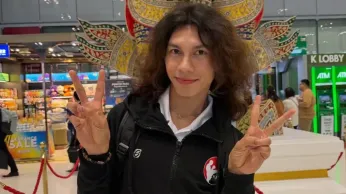
Jimmy Pikanet Sukyik, competing for Thailand in the men's 63-kilogram tatami point fighting category at the SEA Games, secured a gold medal on December 16, 2025, in a final marked by remarkable resilience. Tatami point fighting, a kickboxing discipline emphasizing controlled strikes and points scored on mats, tested Sukyik against Indonesia's Ariyanta Sitepu. In the third round of the final, Sukyik suffered a shoulder dislocation, yet continued fighting to win decisively with a score of 14-7.
Post-match, Sukyik spoke emotionally about the injury and his determination. "I’m very happy because in the last round I was injured, something I never expected to face," he said. "But at that moment, I thought only that even if I had just one punch or one arm, I had to win." This perseverance not only clinched his first SEA Games gold but also highlighted his mental fortitude under physical duress.
Sukyik, known as "Jimmy" Pikanet Sukyik, represents Thailand's national kickboxing team in tatami point fighting, a format distinct from traditional Muay Thai by focusing on precision kicks, punches, and defensive techniques scored by judges. His path to the SEA Games involved rigorous training supported by Thailand's sports associations, which he credited for bolstering his resolve. "I was very determined to win the gold medal because the association has supported me all along," Sukyik stated. "I’m very proud to have succeeded, and in the ring, I never thought about losing because I came to win gold for the Thai people."
As a gay athlete, Sukyik's achievement resonates within Thailand's evolving landscape for LGBTQ+ inclusion in sports. Thailand has seen growing visibility for LGBTQ+ individuals in competitive arenas, with events like the SEA Games providing platforms for such stories. His performance underscores how transgender people, gay individuals, and others in the LGBTQ+ community contribute to national pride through athletic excellence.
Sukyik used his victory to address broader societal views on gender identity. "Nowadays, gender identity doesn’t matter. Today I’ve proven that when we step into the ring, gender is just gender, because in the end, we’re just individuals fighting and showing our skills to win," he told reporters. This statement aligns with ongoing discussions in Southeast Asian sports about affirming diverse identities without compromising competition integrity.
His comments echo perspectives from LGBTQ+ advocates who emphasize that athletic success depends on skill and dedication, not identity. In Thailand, where kickboxing holds cultural significance, Sukyik's story inspires young athletes from all gender identities to pursue excellence. The SEA Games, a biennial event fostering regional unity, amplifies such narratives, promoting inclusivity across participating nations.
Sukyik's gold medal has drawn attention from global outlets covering LGBTQ+ athletes, positioning him as a role model. By overcoming a severe injury while competing as a gay man, he challenges barriers faced by LGBTQ+ individuals in combat sports, where physicality intersects with identity debates. His experience highlights the importance of supportive federations in enabling LGBTQ+ athletes to thrive.
This event builds on Thailand's progressive stance, with prior LGBTQ+ athletes gaining recognition at international meets. Sukyik's post-victory tears and words serve as a testament to perseverance, offering encouragement to transgender people, gay athletes, and others navigating similar paths. As coverage spreads, his story fosters dialogue on inclusive policies in regional sports governance.